Preserving Beauty: Maintenance of Designer Furniture
Sustainability has become an increasingly important factor in the commercial outdoor furniture industry.
As businesses and public entities place greater emphasis on environmental responsibility, furniture manufacturers have responded with eco-friendly materials and production processes. This includes the use of recycled materials, such as plastic lumber made from post-consumer waste, and sustainably harvested woods certified by organizations like the Forest Stewardship Council (FSC). Some manufacturers have gone further by implementing closed-loop production systems and offering take-back programs to ensure their products can be recycled at the end of their lifecycle. This focus on sustainability not only appeals to environmentally conscious clients but also helps businesses meet green building standards and sustainability certifications.The rise of direct-to-consumer (DTC) brands has introduced new dynamics to the wholesale outdoor furniture market.
While traditional wholesale-to-retail models remain dominant, some suppliers are exploring DTC channels as a way to increase margins and gain more control over the customer experience. This trend has prompted many wholesale suppliers to reevaluate their business models and explore hybrid approaches that balance wholesale and direct sales channels. Some suppliers have responded by offering enhanced services to their retail partners, such as exclusive product lines or improved logistics support, to maintain strong relationships in an evolving market landscape.Evolving Color Trends in Outdoor Restaurant Furniture
Outdoor resin furniture has revolutionized the way we approach outdoor living spaces, offering a perfect blend of durability, style, and affordability.
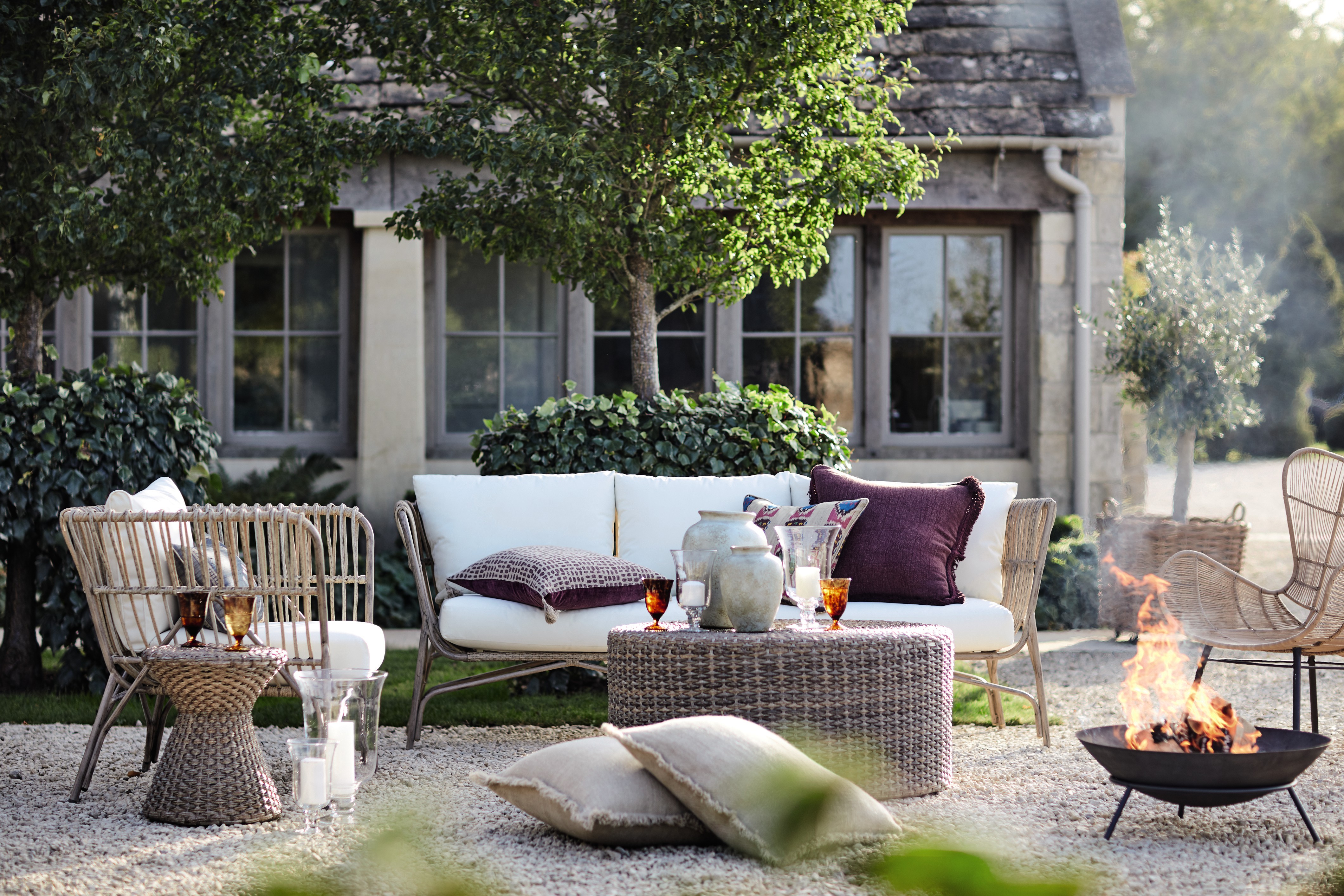
This versatile material has quickly become a favorite among homeowners, designers, and commercial property managers alike. Resin, a synthetic polymer with remarkable properties, has allowed for the creation of furniture that can withstand the harsh conditions of outdoor environments while maintaining its aesthetic appeal. From cozy patios to sprawling resort poolsides, resin furniture has found its place in a wide variety of settings, proving its adaptability and enduring popularity in the world of outdoor furnishings.The realm of high-end patio furniture has seen a surge in the use of innovative synthetic materials that offer the look of natural elements with enhanced durability and low maintenance requirements.
High-performance wicker, made from resin or polyethylene fibers, mimics the appearance of traditional wicker while offering superior weather resistance and color fastness. These materials can be woven into intricate patterns and textures, allowing for a wide range of design possibilities from fiberlite fiberglass umbrellas classic to contemporary. Similarly, advanced polymer composites can replicate the warmth and texture of wood grain with remarkable accuracy, providing an alternative for those seeking the look of natural wood without the associated maintenance.As technology becomes increasingly integral to the dining experience, some barstool designs are incorporating tech-friendly features. This might include built-in USB charging ports, wireless charging capabilities, or even interactive elements for ordering or entertainment. While not all restaurants will need or want such high-tech options, considering how barstools can accommodate and complement technology use can enhance the overall customer experience, especially in bar areas where patrons might spend extended periods.
The hospitality industry has embraced resin furniture for both indoor and outdoor applications, appreciating its versatility and style options.
From chic hotel lobbies to bustling outdoor dining areas, resin furniture offers solutions that can withstand heavy use while maintaining an upscale appearance. The ability to create resin pieces that convincingly mimic more expensive materials like woven wicker or sculpted wood allows hospitality businesses to achieve high-end looks at a fraction of the cost and maintenance requirements. This versatility enables hotels and restaurants to frequently update their aesthetics without the substantial investment typically associated with furniture replacement.Durability and Longevity of Resin Barstools
Selecting designer furniture for a restaurant is a complex process that requires careful consideration of numerous factors. From aesthetics and functionality to budget and brand alignment, each aspect plays a crucial role in creating a successful dining environment. By understanding these elements and leveraging the expertise of established manufacturers like Nardi, Seaside Casual, Grosfillex, BFM Seating, ERP-restaurant furniture, and Mingja, restaurant owners and designers can create spaces that not only look stunning but also function efficiently and stand the test of time. Remember that designer furniture is an investment in your restaurant's identity and success – it shapes the dining experience, influences customer perceptions, and can significantly impact your bottom line. Take the time to research, plan, and select pieces that align with your restaurant's vision and operational needs, and you'll create a space that delights customers and stands out in the competitive world of dining.