In the competitive world of restaurant design, furniture plays a pivotal role in creating a memorable dining experience. Designer restaurant furniture goes beyond mere functionality, serving as a key element in establishing the venue's aesthetic identity and ambiance. From avant-garde creations to reimagined classics, designer pieces can transform a space, elevating it from ordinary to extraordinary. This exploration delves into the world of designer restaurant furniture, examining its importance, trends, and the balance between form and function in the dining environment.
As technology becomes increasingly integral to the dining experience, furniture designers are finding ways to incorporate tech-friendly features. This might include tables with built-in charging stations for mobile devices, chairs with tablet holders for digital menus, or modular furniture systems that can easily accommodate POS systems. Some cutting-edge designs even incorporate interactive elements, like tables with built-in touchscreens for ordering or entertainment. While not all restaurants will need or want such high-tech options, considering how furniture can accommodate and complement technology use can enhance the overall dining experience and operational efficiency.
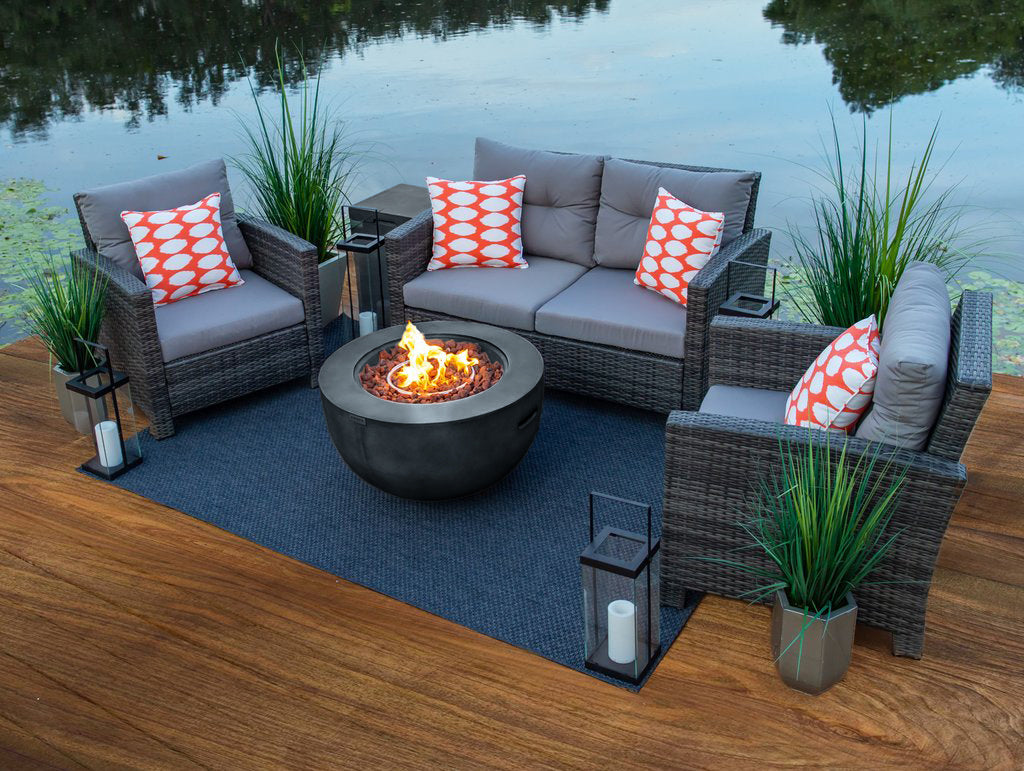
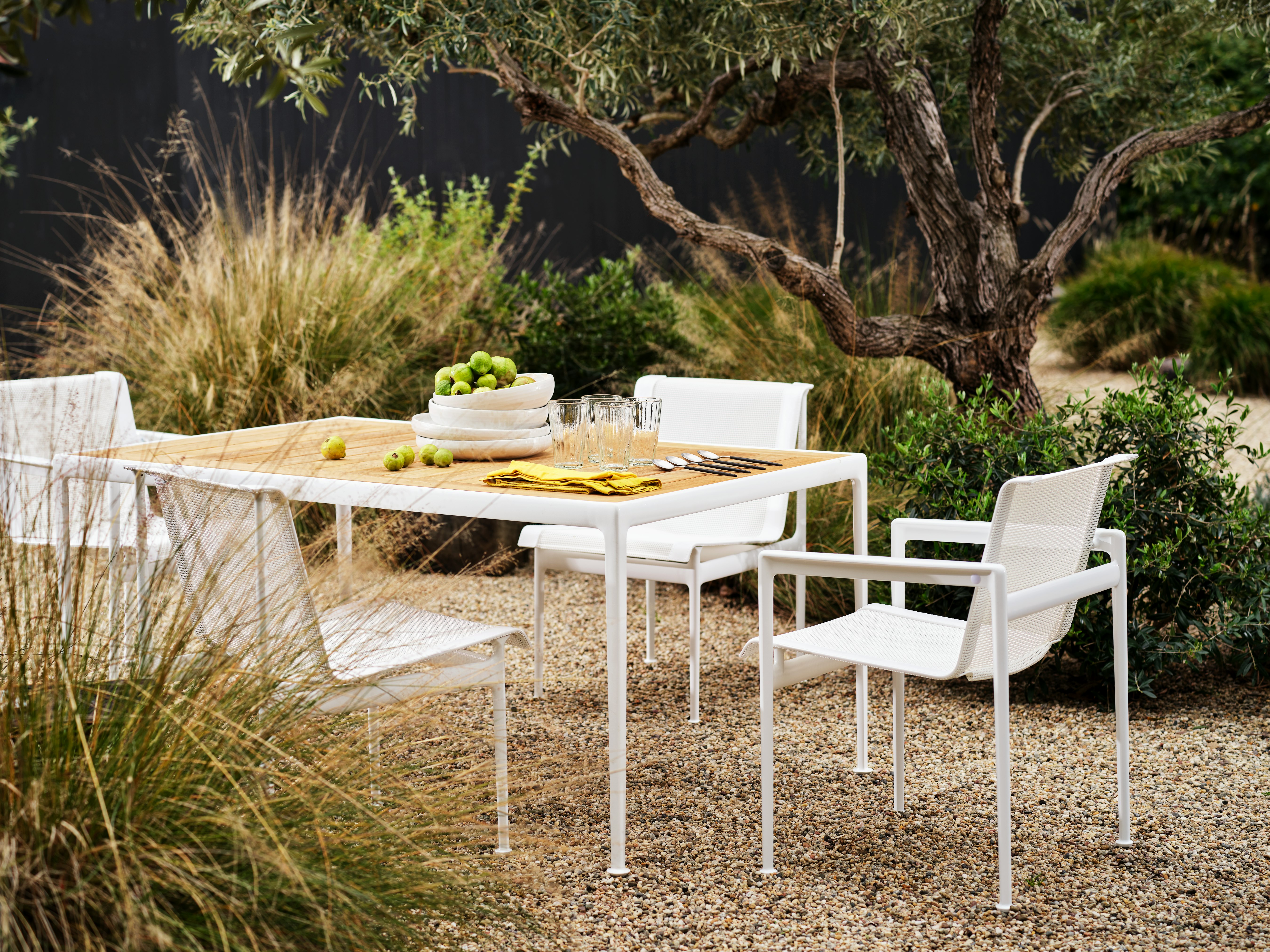

Color plays a crucial role in Seaside Casual's design philosophy.
The company offers a diverse palette inspired by the natural hues of coastal environments. From the soft greys of weathered driftwood to the vibrant blues of a summer sky, their color options allow customers to create personalized outdoor spaces that reflect their individual style. These colors are not just surface treatments; they're integrated throughout the EnviroWood™ material, ensuring that the furniture maintains its appearance even after years of use and exposure to the elements. This color-fast quality means that Seaside Casual furniture retains its beauty season after season, with minimal fading or discoloration.
The design versatility of plastic as a material has allowed for an impressive range of styles and aesthetics in outdoor furniture.
Modern manufacturing techniques, such as injection molding and rotational molding, enable the creation of complex shapes and textures that can mimic the appearance of other materials like wood or wicker. This versatility allows plastic furniture to complement a wide variety of outdoor design schemes, from traditional to contemporary. Color options are virtually limitless, as pigments can be easily incorporated into the plastic during the manufacturing process, ensuring that the color permeates the entire piece rather than just sitting on the surface. This characteristic not only provides vibrant, long-lasting colors but also helps to disguise minor scratches or wear.
Assembly and maintenance of Tailwind Adirondack furniture are designed with user convenience in mind.
Most pieces come partially assembled, with clear instructions and all necessary hardware included, allowing for easy setup without specialized tools. The simplicity of assembly makes Tailwind furniture accessible to a wide range of customers, from DIY enthusiasts to those less inclined towards hands-on projects. Maintenance is equally straightforward, typically requiring nothing more than occasional cleaning with soap and water. This low-maintenance quality is particularly appealing to busy homeowners and commercial property managers who want to enjoy beautiful outdoor spaces without the burden of constant upkeep.
Color Psychology in Restaurant Furnishings
The future of commercial resin furniture looks promising, with ongoing innovations in materials and design continuously expanding its capabilities.
Research into new resin formulations focuses on enhancing properties like UV resistance, impact strength, and eco-friendliness. Some manufacturers are exploring the integration of smart technologies into resin furniture, such as embedded charging stations or interactive elements, catering to the increasing demand
fiberglass market umbrellas for tech-enabled environments. As commercial spaces continue to evolve, we can expect resin furniture to adapt, offering new solutions for the changing needs of businesses and public spaces.
As urban spaces evolve, commercial resin furniture has adapted to meet the changing needs of public areas.
City planners and urban designers are increasingly turning to resin furniture for public seating, appreciating its resistance to vandalism, ease of maintenance, and ability to withstand diverse weather conditions. Many resin furniture options designed for public spaces incorporate features like UV stabilizers to prevent fading and additives that increase resistance to graffiti. The ability to securely anchor resin furniture also makes it a popular choice for semi-permanent installations in parks, transportation hubs, and other public gathering spaces.
The impact of resin furniture on the outdoor furniture market has been substantial, influencing trends and consumer expectations.
Its popularity has pushed manufacturers of traditional materials to innovate, resulting in improved weather resistance and lower maintenance requirements across the board. The affordability of resin has also helped to expand the overall market for outdoor furniture, making stylish outdoor living more accessible to a broader range of consumers. This democratization of design has elevated the overall quality of outdoor spaces, encouraging more people to invest in their patios, decks, and gardens.
In commercial settings, aluminum outdoor furniture has become a popular choice for its combination of aesthetics, durability, and practicality.
Restaurants, hotels, and public spaces benefit from aluminum furniture's ability to withstand heavy use while maintaining an attractive appearance. The variety of styles available allows businesses to select furniture that aligns with their brand identity and enhances the overall customer experience. For example, a sleek, modern aluminum dining set might be perfect for a contemporary urban café, while more traditional designs could suit a resort or country club setting. The ease of cleaning and maintenance is particularly valuable in high-traffic commercial environments, where furniture may need to be quickly tidied between uses.
